
Winter Storage Myths, Busted: What You Actually Need to Worry About
Jade Cutler • February 3, 2026
Winter Storage Myths, Busted: What You Actually Need to Worry About
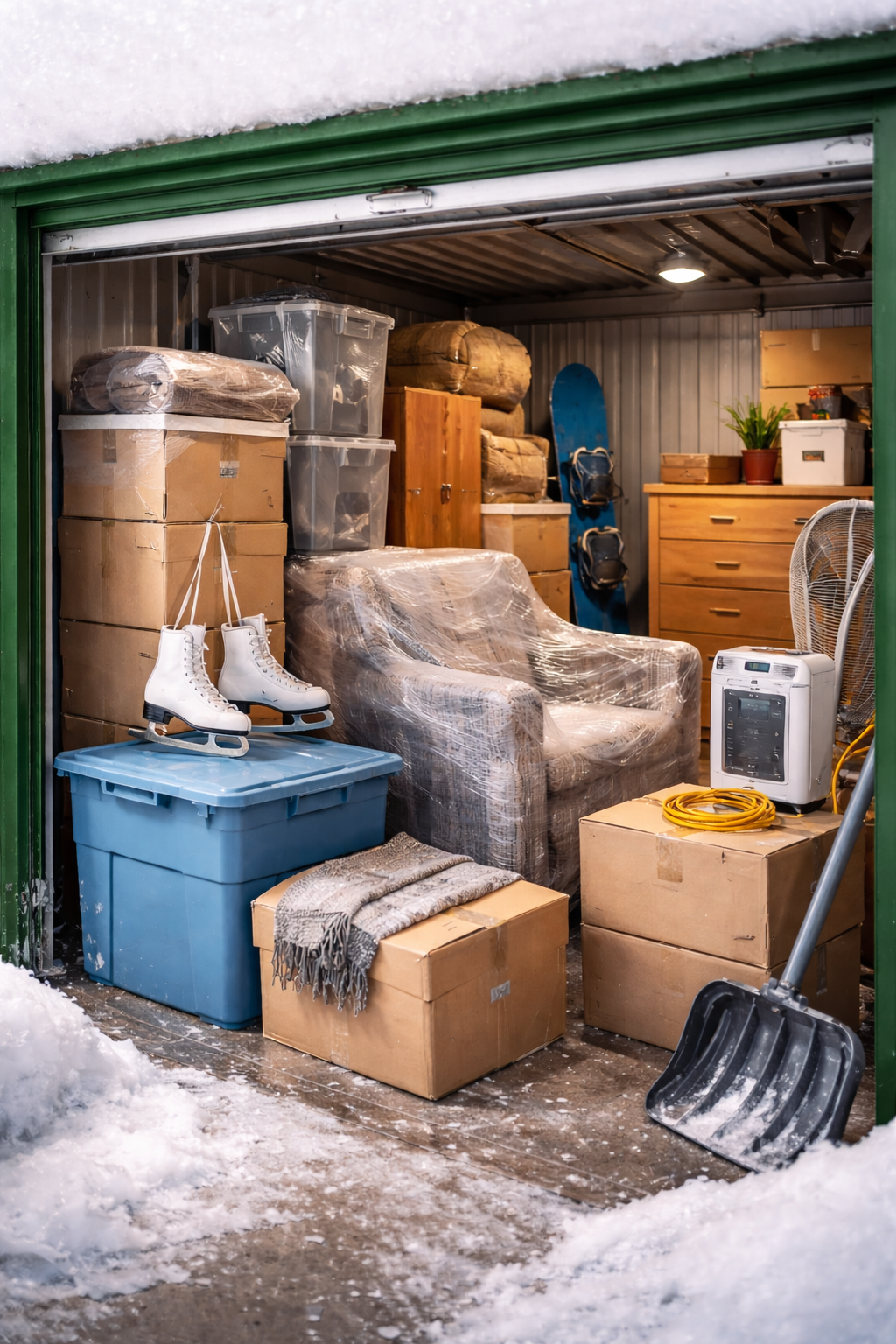
When winter rolls around, so do the storage horror stories. Frozen furniture. Ruined electronics. Moldy boxes. It’s easy to assume that colder temperatures automatically mean damage—but in reality, many winter storage fears are based on myths, not facts.
If you’re storing belongings during the colder months (or year-round in a climate with real winters), here’s what actually matters—and what you can safely stop worrying about.
Myth #1: “Cold Temperatures Will Ruin Everything”
The truth:
Cold alone rarely damages stored items.
Most household belongings—furniture, boxes, clothing, books, tools—can handle cold temperatures just fine. What causes damage isn’t the cold itself, but rapid temperature changes combined with moisture.
Items are far more likely to suffer when:
- Warm air meets cold surfaces (causing condensation)
- Moisture is trapped inside boxes or furniture
- Storage areas lack airflow
What actually matters:
keeping items dry, clean, and properly packed.
Myth #2: “You Only Need Climate Control for ‘Fancy’ Items”
The truth:
Climate control isn’t about luxury—it’s about stability.
Many people think climate-controlled storage is only necessary for expensive antiques or artwork. In reality, everyday items can benefit from consistent conditions, including:
- Wood furniture
- Mattresses and upholstered items
- Paper documents and books
- Electronics and appliances
- Clothing and fabrics
Temperature swings can cause materials to expand and contract over time, which leads to cracking, warping, or weakening—especially in wood and electronics.
What actually matters:
minimizing temperature fluctuations, not just avoiding freezing temps.
Myth #3: “Plastic Bins Are Always Better Than Boxes”
The truth:
Plastic bins can trap moisture if packed incorrectly.
Plastic totes are great—but only if items are completely dry before sealing. Otherwise, you’re locking moisture inside, which can lead to mildew or musty smells over winter.
Cardboard boxes, when elevated off the ground and stored in a dry environment, actually allow items to breathe slightly—reducing trapped condensation.
Best practice:
- Use plastic bins for items sensitive to pests or dust
- Use cardboard boxes for breathable storage
- Always pack items dry, regardless of container type
Myth #4: “Everything Should Be Wrapped Airtight”
The truth:
Over-wrapping can cause more harm than good.
It seems logical to seal items tightly to protect them—but airtight wrapping can trap moisture, especially during winter temperature shifts.
This is especially risky for:
- Furniture wrapped entirely in plastic
- Mattresses sealed without ventilation
- Appliances stored without doors cracked open
What actually matters:
airflow. Use breathable covers or wrap strategically, leaving room for air circulation.
Myth #5: “If It Looks Fine Now, It’ll Be Fine All Winter”
The truth:
Winter storage issues build slowly.
Damage doesn’t usually happen overnight. It creeps in quietly—through humidity, condensation, or pressure from improper stacking.
Common long-term issues include:
- Boxes collapsing from moisture absorption
- Furniture legs warping due to uneven weight
- Fabrics absorbing odors over time
What actually matters:
how items are stored, not just what they look like on move-in day.
What You Actually Need to Worry About in Winter Storage
Instead of stressing over cold weather myths, focus on these real priorities:
1. Moisture Control
Moisture is the #1 enemy of stored items in winter. Make sure everything is dry before storing and avoid sealing moisture inside containers.
Moisture is the #1 enemy of stored items in winter. According to the U.S. Environmental Protection Agency, controlling humidity and preventing condensation are key factors in reducing mold growth
in enclosed spaces—making proper storage preparation especially important during colder months.
2. Smart Packing
Elevate items off the floor, distribute weight evenly, and leave small air gaps between walls and belongings.
If you want a more complete, step-by-step breakdown of how to prepare, pack, and organize your unit for long-term success, this guide on mastering the art of self storage
offers practical tips that apply year-round—not just in winter.
3. Item Prep
Clean everything before storage—dirt and residue can attract moisture and pests over time.
4. Storage Environment
Consistent conditions matter more than temperature alone. A well-maintained facility with proper airflow makes a bigger difference than most people realize.
Final Takeaway: Winter Storage Doesn’t Have to Be Stressful
Most winter storage damage comes from misinformation, not weather. When items are properly prepared, packed, and stored in a stable environment, they can sit safely through even the coldest months.
Understanding what actually causes damage—and what doesn’t—helps you store smarter, worry less, and protect your belongings long-term.
And that’s the real goal of good storage: peace of mind, no matter the season.
Get ahead of fall with 7 end-of-summer organization tips for your garage, closets, patio, outdoor gear, and more.

Not sure what size storage unit you need? See what fits in common storage unit sizes from 5x5 to 10x30 and find the right space for your needs.

Learn how to organize camping, hiking, biking, and outdoor gear for easy summer adventures. Discover how self storage can help reduce clutter.

Between leases or moving between semesters? Discover how short-term storage helps renters and college students stress less.

Refresh your home this spring without the stress of decluttering. Discover how self storage in Denver can help you create space without letting go.

Learn how self storage in Denver helps real estate agents, stagers, and designers declutter homes, stage effectively, and sell faster.

Event planners and vendors in Denver use business storage to stay organized, protect inventory, and scale efficiently. Learn how self storage supports growth.

Start the year organized without the stress. Learn how self-storage helps reduce clutter, create space, and support realistic storage resolutions.
Keep holiday gifts hidden and the magic alive with clever ways to use self-storage for secret surprises, stress-free shopping, and organized wrapping.
Declutter before the holidays! Learn how to organize your home this fall with seasonal storage tips from Greenbox Self Storage in Denver.